Yes, from the 1st of April 2025, electric cars will pay road tax for the first time in the UK. Road tax is based on the amount of emissions your car produces. Because electric cars are emissions free, EV drivers will pay the lowest amount of road tax.
If you have an EV registered from 1st March 2001 and 31st March 2017, you’ll move to tax Band B and pay £20.00 per year.
If your electric car costs £40,000 or over, you’ll need to pay an Expensive Car Supplement from April 1st 2025. If your EV is newly registered, your road tax will be £10.00 for the first year. From years 2-6 of owning your EV, you’ll pay an additional £520.00 due to the Expensive Car Supplement. From the sixth year of ownership, you’ll pay a standard rate of tax of £195.00.
The Expensive Car Supplement is a charge you’ll need to consider when buying an EV or hybrid car. If you purchase a car for over £40,000, you’ll be charged a fee of £520.00 annually from the second time your car is taxed.
In the UK, a range of BYD vehicles are priced below £40,000, so you wouldn’t need to pay the Expensive Car Supplement. This includes the ATTO 3 and DOLPHIN.
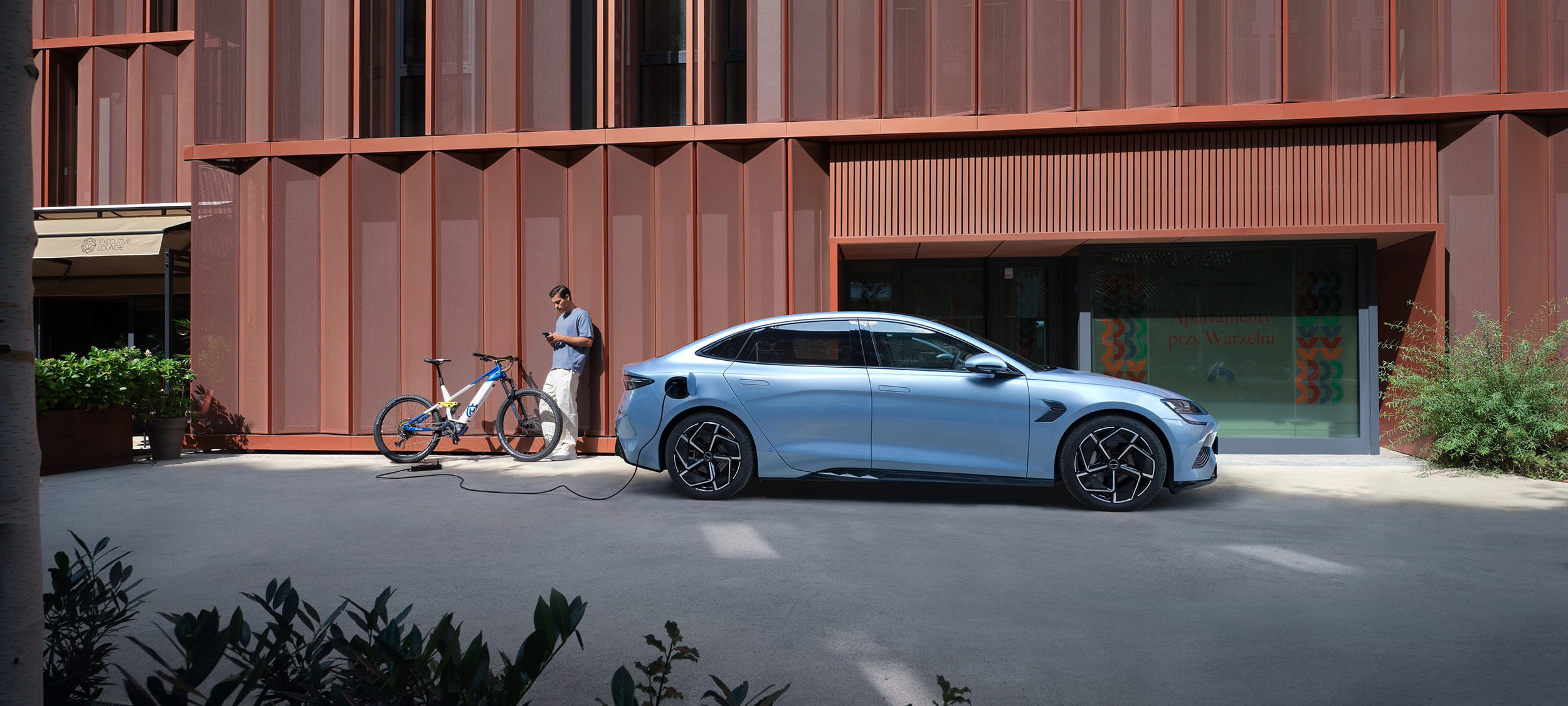
Yes, hybrid cars pay road tax in the UK. This is because both plug-in hybrid and self-charging hybrid cars have an internal combustion engine that works alongside an electric motor. Hybrid cars produce emissions, and while levels are much lower than ICE cars, owners will be charged.
For example, the hybrid BYD Seal U DM-i will require you to pay car tax. This depends on the emissions and price of the model you choose, but this is likely to cost around £195 a year.
The amount of tax you’ll pay with a hybrid car depends on the amount of CO2 your car produces — the lower the emissions, the lower the tax. As well as this, the price of your car tax will also be based on when your hybrid car was registered. While hybrid owners are not exempt, costs will still be significantly less than the charges that come with petrol and diesel car tax.
Currently, electric cars don’t pay congestion charges. Congestion charges and low-emission zones are being put into place around the country to reduce the number of vehicles being driven in built-up urban areas. The charge is used as a tool to reduce the production of emissions that contribute to unclean air and climate change.
Because electric cars are emissions free, they’re exempt from paying the congestion charge, which makes them a good option for those regularly driving in the city. Electric-car drivers can travel through these low-emission zones at no charge.
In London, these zones are referred to as ULEZ or ultra-low emission zones. Currently, EV drivers don’t need to pay to drive through these zones in London, but they do need to apply for a Cleaner Vehicle Discount to prove they are exempt.
However, this is set to change in 2025. From the 25th of December 2025, electric cars will no longer be able to take advantage of a 100% discount. In London, electric cars are expected to pay £15 to travel in these clean-air zones along with hybrid, petrol, and diesel drivers.
Other cities around the UK have low-emission zones in place, so it’s always worth checking before you travel to see if you’ll need to pay.
If your employer leases a car as part of a Salary Sacrifice scheme that you can use for business and personal trips, this will save you money on car tax. This is referred to as a Benefit-In-Kind and while you will be taxed for this, it will be significantly less than what you’d pay towards a fuel-powered car.
For a standard petrol car leased by a business, you’d be charged around £1,200 a year for this benefit-in-kind vehicle. By choosing benefit-in-kind electric cars, you’ll be paying about £80 a year in BiK tax — a huge potential saving of £1,120¹.
Employers will also have to contribute National Insurance on this amount. Currently, this is set at 13.8%. However, with Captial Allowance benefits, companies that choose electric cars can deduct part of the value from their profits before making any tax payments².
Benefit-in-kind electric cars and the Capital Allowance scheme come with a range of benefits for employers and employees. Electric company cars with BiK rates encourage companies to switch to zero-emissions vehicles. Benefit-in-kind electric cars mean employers can have peace of mind that they’re working to reduce their carbon emissions and employees will see more of their monthly income, paying less on car expenses annually.
Choosing an electric car comes with a range of monetary benefits from reduced car tax and lower congestion-zone charges to energy tariffs specifically suited to home charging. With a range of incentives and tax savings to be made, it’s worth exploring these new-energy vehicles and how they can help you save on your motoring costs. Find out more about the benefits of an electric car and electric-car charging costs in our guides.
At BYD, you’ll find electric cars with some of the most advanced technology, including the BYD Blade Battery, for enhanced range and unrivalled performance on the road. You could also explore our hybrid models to experience a combination of an electric driving experience and engine-powered driving.
¹ https://octopusev.com/ev-hub/how-much-can-you-save-by-switching-to-ev
² https://www.gov.uk/capital-allowances/business-cars